
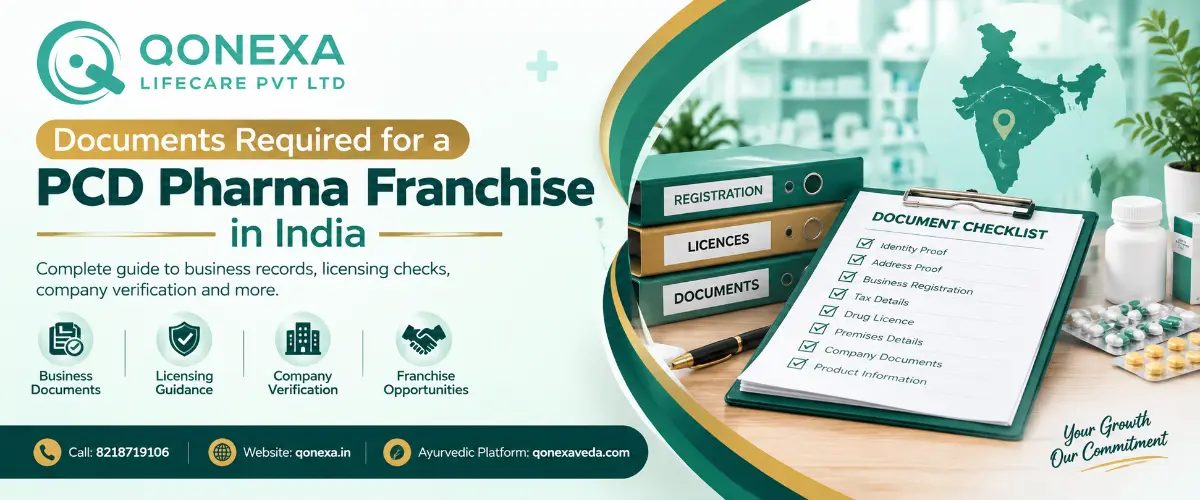
This PCD pharma franchise documents guide explains the records a prospective franchise partner may need to prepare, what to check with a pharmaceutical company and how to organise a business enquiry. The exact requirements depend on the applicant, location, business model and activities planned. Confirm current requirements with the company and relevant authorities before investing or starting regulated activities.
1. Why Documentation Matters in a PCD Pharma Franchise
A PCD pharma franchise is a commercial arrangement in which a pharmaceutical company and a franchise partner cooperate to develop an agreed market. The parties may discuss product availability, territory, order procedures, promotional support and commercial terms. Proper documentation helps both sides understand who is applying, where the business will operate and which responsibilities each party will handle.
Organised records can make communication easier, reduce avoidable delays and help you compare business proposals. They also create a record of the details you submitted, approvals you received and conditions discussed. Documentation is not merely a formality; it is part of responsible business planning.
Submitting documents does not automatically mean that a company has approved an application or that statutory permissions have been granted. A company may verify your details, while licences or other permissions—where required—must be obtained from the appropriate authority.
2. Identify Your Proposed Business Model First
Before collecting paperwork, explain exactly what you intend to do. You may be enquiring about a franchise opportunity, planning to distribute products, operating a wholesale business or considering a retail outlet. These activities can have different requirements. The phrase “PCD franchise” describes a commercial model, but it does not itself establish which licences are needed.
Questions to answer before applying
- Which state, city or territory will your business cover?
- Are you enquiring only, or do you plan to sell, stock or distribute medicines?
- Do you already have a registered business?
- Will you operate from a shop, office, warehouse or another premises?
- Which product categories are you interested in?
- Who will manage orders, storage, records and compliance?
- Have you checked the applicable requirements with the relevant authority?
Answering these questions helps you request the correct checklist, estimate operating costs and avoid making commitments before you understand your responsibilities.
3. Identity and Address Proof
A company may request basic identity and contact information to review an enquiry or create a partner record. Ask which documents are accepted and whether copies, self-attestation or original-document verification is required.
- Government-issued identity proof for the proprietor, partners or authorised signatory, as applicable.
- Address proof for the applicant or business, according to the current checklist.
- A working mobile number and business email address.
- A recent photograph, if specifically requested.
- Authorisation or consent documents when someone applies on behalf of another person or entity.
Make sure names and addresses are consistent across documents. If information differs because of a recent change, ask how to document the difference rather than altering a record yourself.
4. Business Registration and Constitution Records
The records requested may depend on how your business is structured. A sole proprietor, partnership, limited liability partnership and company do not necessarily use the same paperwork. Ask the franchise company what evidence it needs for your specific structure.
Possible business records
- Business or trade name details, where applicable.
- Partnership deed or relevant partnership records, if applicable.
- Company incorporation or registration records, if applicable.
- Authorised-signatory details or a board/partner authorisation where required.
- Business address and correspondence details.
- Any registration certificate relevant to the activity you plan to undertake.
Do not obtain a document simply because another business owner has it. Confirm whether it applies to your legal structure and proposed activities.
5. Tax and Financial Details
Commercial onboarding may involve tax and billing details so that invoices, payments and account records can be handled correctly. Requirements depend on current law and your business circumstances. Ask a qualified tax professional or the relevant authority whether a particular registration is necessary for you.
- PAN or other tax identification details where applicable.
- GST registration details if registration applies to your business.
- Billing name and address.
- Bank account details required for verified business payments or refunds.
- Invoice and bookkeeping contact information.
Never share banking passwords, OTPs, PINs or login credentials as part of a normal franchise enquiry. Verify payment instructions through an official company channel before transferring money.
6. Drug Licence and Regulatory Checks
One of the most important steps is to determine which legal permissions apply to your actual activity. The requirements for selling, stocking, distributing or retailing medicines may differ. They can also depend on the product category, premises, staffing and applicable state or central rules.
What to verify
- Which licence or permission applies to your proposed activity?
- Which authority accepts and processes the application?
- What premises, storage or staffing conditions apply?
- Which records must be maintained after approval?
- Are renewals, amendments or inspections relevant to your operation?
Ask for current guidance rather than relying on an old checklist or an online article that may not reflect the latest rules. If you are unsure, obtain professional advice before spending money on premises or stock.
7. Business Premises and Storage Details
Depending on the activity, the company or authority may ask for information about your operating premises. Do not assume that an ordinary residential address automatically meets every requirement for a regulated business.
- Premises address and contact details.
- Ownership, lease or occupancy evidence if required.
- Details of the intended storage area.
- Evidence relating to applicable storage or safety conditions, where requested.
- Any premises-related approval required for the activity.
Before signing a long lease or making structural changes, verify the premises criteria with the relevant authority. Keep copies of agreements, receipts and formal approvals in a secure business file.
8. Qualified Personnel and Responsibility
Some pharmaceutical activities require a qualified person or designated professional. The exact qualification, role and documentation depend on the licence and activity. It would be inaccurate to claim that every franchise applicant has identical staffing requirements.
Ask the relevant authority what applies to your specific operation. Where required, prepare the relevant qualification, registration, employment or appointment records. Make sure the person’s responsibilities and availability meet the applicable rules rather than treating a document as a formality.
9. Documents to Request From the Pharma Company
Your own paperwork is only one side of due diligence. Before choosing a partner, request relevant company and product information and review the commercial arrangement carefully. Verify claims independently when necessary.
- Company name, official address and verified contact channels.
- Current product list and relevant product information.
- Written price list, order conditions and applicable taxes or charges.
- Territory terms, exclusivity conditions and any limitations.
- Minimum order requirements, payment terms and dispatch process.
- Return, damaged-goods, complaint and issue-resolution procedures.
- Relevant product, manufacturing or quality documentation where applicable.
- Written agreement or commercial terms for review before signing.
Do not rely only on verbal promises about profits, guaranteed sales, exclusivity or product availability. Ask for important terms in writing and take professional advice if a clause is unclear.
10. How to Organise Your Application File
Create a simple, secure folder so that you can find documents quickly and know which version was submitted. Keep original documents safe and share copies only through verified channels.
Suggested folder structure
- 01 — Identity: identification and address records.
- 02 — Business: registration and authorisation documents.
- 03 — Tax and billing: applicable tax and invoice details.
- 04 — Regulatory: licences, applications and authority correspondence.
- 05 — Premises and staff: relevant address, premises and qualified-person records.
- 06 — Company due diligence: product information, price lists and written terms.
- 07 — Orders and payments: invoices, receipts and order confirmations.
Use clear filenames, record submission dates and keep a note of who received each document. Restrict access to people who need the information for legitimate business purposes.
11. Step-by-Step PCD Pharma Franchise Application Process
- Define your plan. Identify your target territory, business model and intended product categories.
- Research the company. Review its official website, communication channels and product information.
- Request the current checklist. Ask what the company needs for an initial enquiry, onboarding and future orders.
- Check regulatory requirements. Confirm the applicable permissions with the relevant authority.
- Prepare your records. Collect only the documents relevant to your situation and check for consistency.
- Review commercial terms. Understand territory, pricing, order conditions, supply and support.
- Submit through a verified channel. Keep a record of the date and documents shared.
- Wait for confirmation. Do not treat an enquiry receipt as final approval or legal permission.
- Keep records updated. Store agreements, approvals, invoices and correspondence securely.
12. Common Documentation Mistakes to Avoid
- Using an outdated checklist: confirm the latest requirements before submitting.
- Submitting unclear scans: make sure each page is readable and complete.
- Inconsistent details: check spelling, addresses and business names across records.
- Assuming approval is automatic: wait for written confirmation and any required permissions.
- Ignoring contract conditions: read payment, territory, supply and termination terms.
- Sharing sensitive information carelessly: verify the recipient and share only what is necessary.
- Relying on verbal assurances: ask for important commercial claims in writing.
- Starting regulated activities too early: verify licences and conditions first.
13. Budget and Business Planning Before Applying
Documentation is one part of the preparation process. You should also estimate the resources needed to operate responsibly. The amount will depend on your business model, product selection, territory, premises, staffing and supplier terms, so avoid relying on a universal investment figure.
Prepare a budget covering possible registration or professional fees, premises, storage, transport, initial orders, communications, bookkeeping and working capital. Include a reserve for unexpected costs. Ask the company to clarify any minimum order, advance payment or recurring expense before you commit.
Build your plan around realistic demand and verifiable product information rather than guaranteed-profit claims. If possible, speak with a qualified accountant or business adviser to review cash flow and tax considerations.
14. How to Evaluate a Pharma Franchise Company
Choosing a business partner should involve more than comparing promotional offers. Look at the clarity of the information, responsiveness of the team, product documentation and written terms. Verify company details through reliable sources and ask questions before making a payment.
- Is the company’s identity and contact information clear?
- Can you obtain current product and pricing information?
- Are territory and supply conditions written down?
- Are order, dispatch and complaint processes explained?
- Can the company clarify the documents it requires and why?
- Are promises about income or sales realistic and supported?
- Have you checked whether the proposed arrangement suits your local market?
Read more about the business through the Qonexa Lifecare website. Ask the team for current details and evaluate the proposal against your own business goals and legal responsibilities.
15. Related PCD Pharma Franchise Business Topics
People researching a franchise opportunity often explore several related topics before making a decision. These topics are connected, but each answers a different question. Keep your research organised so that you compare the right information rather than treating every keyword as the same subject.
PCD Pharma Franchise and Pharma Franchise Company Guide
A PCD Pharma Franchise search usually reflects interest in a business model, territory and working relationship. A Pharma Franchise Company Guide can help readers identify the questions to ask about company background, commercial terms, product information and support. Use the guide as a research checklist, then confirm details with the company directly.
PCD Pharma Company Guide and PCD Pharma Company Products
A PCD Pharma Company Guide may focus on comparing potential partners, while PCD Pharma Company Products relates to product range, available information, pricing and suitability for the intended market. Request current product details and do not assume every product is available in every location or under every agreement.
Pharma Franchise Company Business and PCD Pharma Company Business
When researching Pharma Franchise Company Business or PCD Pharma Company Business, consider your target customers, territory, inventory approach, order frequency, cash flow and customer service. These are planning questions, not guarantees of profitability. Build a business plan around evidence and realistic costs.
Pharma Franchise Company Opportunities and PCD Pharma Company Opportunities
Pharma Franchise Company Opportunities and PCD Pharma Company Opportunities are broad research themes. Compare written terms, company communication, product information, regulatory responsibilities and expected operating costs. Avoid choosing a partner solely because an advertisement promises high returns or exclusive rights.
16. Product Orders, Invoices and Recordkeeping
Once an arrangement is approved and all applicable requirements are met, keep a clear record of orders and business transactions. Good recordkeeping helps you track what was requested, supplied, paid for or reported. Follow the rules that apply to your activity and product category.
- Keep written order confirmations and invoices.
- Check product descriptions, quantities and batch information on relevant records.
- Store payment confirmations and correspondence.
- Maintain any records required by applicable law.
- Follow the proper procedure for damaged goods, discrepancies or complaints.
- Keep records secure and available for authorised review when needed.
Never make changes to official records to conceal a discrepancy. Contact the supplier or relevant professional and follow the appropriate correction process.
17. Protect Your Documents and Business Information
Identity, tax and business records can contain sensitive information. Before sending a copy, verify the recipient, confirm why the document is required and use an official communication channel. Avoid sharing more information than necessary for the stated purpose.
Use strong passwords on your email and cloud storage, enable available account security features and limit access to people who need it. Do not share OTPs, passwords, card PINs or banking login details. If you suspect that a document has been misused, contact the relevant institution and seek appropriate guidance.
18. Contact Qonexa Lifecare for Current Information
If you are exploring a PCD pharma franchise, contact the team to ask about the current process, product information, commercial terms and the documents relevant to your proposed business model. Share your location and the nature of your planned activity so the enquiry can be directed appropriately.
Use the official website or phone contact below to begin your enquiry. Before submitting sensitive records, confirm the correct recipient and the exact documents requested.
Have Questions About the PCD Franchise Process?
Ask Qonexa Lifecare for the current document checklist and business information relevant to your enquiry.
19. Exploring Ayurvedic Business Information
If you are researching Ayurvedic products or a separate Ayurvedic business route, make sure you review the relevant product category, applicable rules and written commercial terms. Do not assume that documentation for one category automatically covers another.
For Ayurvedic-related information, visit Qonexa Veda. Confirm the current product range, business model and documentation with the relevant team before making a decision.
20. Final PCD Pharma Franchise Document Checklist
Use this quick checklist to prepare for a discussion with the company and relevant authorities. It is a planning aid, not a universal statutory list.
- Clarify your proposed business activity and target territory.
- Ask the company for its current onboarding checklist.
- Prepare relevant identity and address records.
- Gather business registration and authorisation records where applicable.
- Confirm tax and invoicing requirements for your circumstances.
- Verify required licences, premises conditions and qualified-person rules.
- Request product information and written commercial terms.
- Review territory, order, payment, return and complaint conditions.
- Submit documents only through a verified channel.
- Keep copies of submissions, confirmations and agreements.
- Protect sensitive records and avoid sharing credentials or OTPs.
- Do not begin regulated activities until applicable permissions are in place.
Preparing carefully helps you ask better questions and make more informed decisions. Requirements may change and can vary according to location, activity and current rules. Verify the details before acting.
Frequently Asked Questions
1. What documents are required for a PCD pharma franchise in India?
The list depends on the business model, applicant, state and activities planned. A company may request identity, address, business and tax details. Regulated activities may require licences, premises evidence or qualified-person records. Ask for the current company checklist and verify legal requirements with the relevant authority.
2. Is a drug licence required for a PCD pharma franchise?
It depends on the actual activity and applicable rules. Selling, stocking or distributing medicines may require specific permissions. Confirm the exact licence and conditions with the relevant state drug-control authority before carrying out regulated activities.
3. Can I apply before all my documents are ready?
You can usually make an initial enquiry and ask about the process. Approval, ordering or starting regulated activities may require additional records or permissions. Confirm which documents are needed at each stage.
4. Do I need GST registration for a pharma franchise?
GST requirements depend on current tax law and your business circumstances. Ask a qualified tax professional or the relevant tax authority whether registration applies to your proposed activity.
5. Does every applicant need a registered pharmacist?
Not necessarily for every business model. Staffing and qualified-person requirements depend on the activity, licence and applicable rules. Confirm the requirement with the relevant authority for your specific operation.
6. What company documents should I check before choosing a franchise partner?
Request relevant company information, current product details, written commercial terms, territory conditions, order and supply procedures, and applicable product or quality documentation. Verify claims and confirm what is currently available before committing funds.
7. Should I send identity documents over WhatsApp?
First verify the recipient and ask which documents are genuinely needed. Use the company’s confirmed channel and share only necessary information. Never share OTPs, passwords, bank PINs or unrelated sensitive information.
8. What should I check in a franchise agreement?
Review territory, product availability, pricing, order quantities, payment and dispatch terms, duration, termination, support, returns and issue-handling procedures. Ask for clarification and consider professional advice before signing.
9. How can I contact Qonexa Lifecare for a document checklist?
Visit qonexa.in or call 8218719106. Ask for the current requirements for your location and business model before submitting documents.
10. Where can I learn about Qonexa’s Ayurvedic platform?
Visit qonexaveda.com for Ayurvedic-related information. Confirm product availability, documentation and business terms directly with the relevant team.
Editorial note: This article provides general business information, not legal, tax or regulatory advice. Requirements can change and vary by location and activity. Verify current requirements with relevant authorities and qualified professionals.