
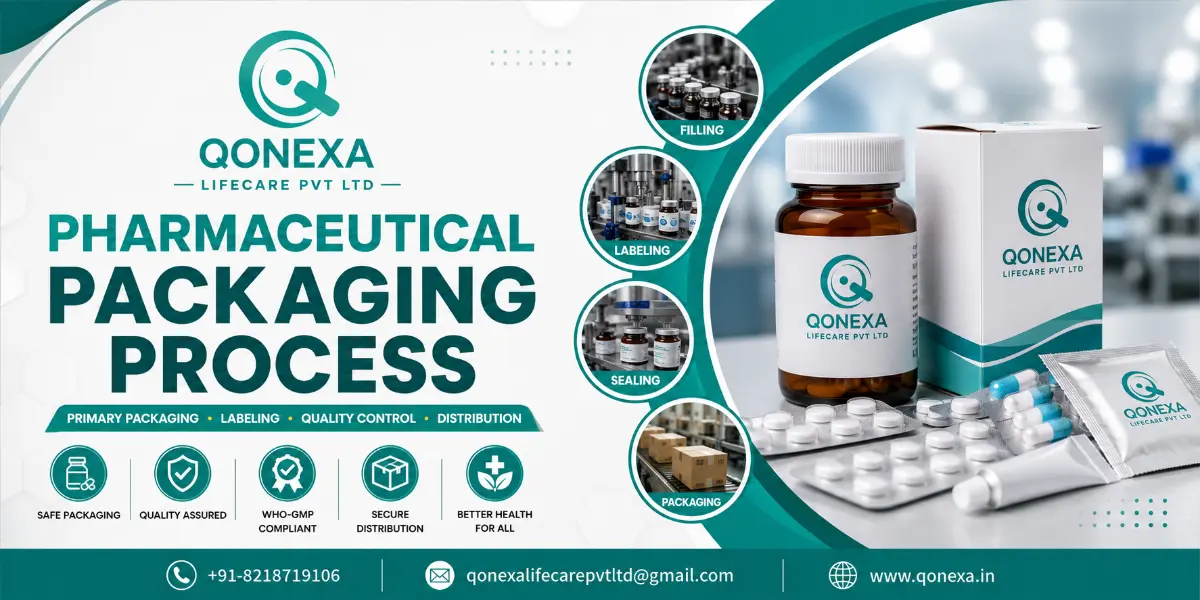
Pharmaceutical Packaging Process – Complete Guide
The pharmaceutical packaging process is one of the most important stages in pharmaceutical manufacturing. Proper packaging protects medicines from moisture, contamination, light and physical damage while ensuring product safety and stability.
A well-controlled pharmaceutical packaging process helps pharmaceutical companies maintain product quality, regulatory compliance and patient confidence. Modern facilities use advanced packaging technologies to ensure every product reaches consumers in optimal condition.
What is Pharmaceutical Packaging?
Pharmaceutical packaging refers to the process of enclosing pharmaceutical products in suitable containers and packaging materials to maintain their quality throughout storage, transportation and distribution.
Main Objectives
- Product Protection
- Patient Safety
- Regulatory Compliance
- Easy Identification
- Improved Shelf Life
- Brand Recognition
Importance of Packaging in the Pharma Industry
The pharmaceutical packaging process plays a critical role in maintaining medicine quality and ensuring products remain safe throughout their shelf life.
Proper packaging protects pharmaceutical formulations from environmental factors and helps prevent contamination.
Types of Pharmaceutical Packaging
| Packaging Type | Purpose |
|---|---|
| Primary Packaging | Direct product protection |
| Secondary Packaging | Additional protection and branding |
| Tertiary Packaging | Transportation and distribution |
Major Packaging Stages
| Stage | Purpose |
|---|---|
| Container Preparation | Packaging readiness |
| Product Filling | Accurate filling |
| Sealing | Product protection |
| Labeling | Product identification |
| Inspection | Quality verification |
| Cartoning | Secondary packaging |
| Distribution Packaging | Transportation safety |
Step 1: Container Preparation
The first stage of the pharmaceutical packaging process involves preparing bottles, blister packs, tubes, sachets or containers according to packaging specifications.
Common Packaging Materials
- HDPE Bottles
- Glass Bottles
- Blister Foils
- PVC Films
- Aluminium Foils
- Laminated Tubes
Step 2: Product Filling
After container preparation, pharmaceutical products are filled using automated filling machines designed for different dosage forms.
A controlled pharmaceutical packaging process ensures accurate filling and minimizes product wastage.
Step 3: Sealing Process
Sealing protects pharmaceutical products from contamination, moisture and environmental exposure.
This stage is an essential part of the pharmaceutical packaging process because it directly affects product integrity and shelf life.
Step 4: Labeling Process
The labeling stage provides important product information including batch number, manufacturing date, expiry date, dosage instructions and regulatory details.
A properly managed pharmaceutical packaging process ensures accurate labeling and product traceability throughout the supply chain.
Information Included on Labels
- Product Name
- Batch Number
- Manufacturing Date
- Expiry Date
- Storage Instructions
- Regulatory Information
Step 5: Inspection and Quality Control
Inspection ensures that packaged products meet quality standards before market release.
Quality control is a critical part of the pharmaceutical packaging process because even minor packaging defects can impact product safety and compliance.
Quality Checks
- Seal Integrity Testing
- Label Verification
- Barcode Inspection
- Packaging Appearance Check
- Leak Testing
- Batch Verification
Step 6: Secondary Packaging
After successful inspection, products move to secondary packaging where cartons, inserts and promotional materials are added.
This stage improves product protection, branding and transportation efficiency.
Step 7: Distribution Packaging
The final stage of the pharmaceutical packaging process involves preparing products for warehousing and transportation.
- Shipping Cartons
- Protective Packaging
- Palletization
- Distribution Labels
Equipment Used in Pharmaceutical Packaging
| Equipment | Function |
|---|---|
| Bottle Filling Machine | Product filling |
| Blister Packaging Machine | Tablet packaging |
| Induction Sealer | Container sealing |
| Labeling Machine | Product labeling |
| Cartoning Machine | Secondary packaging |
| Barcode Printer | Product identification |
WHO-GMP Packaging Requirements
The pharmaceutical packaging process must comply with WHO-GMP standards to ensure product quality and patient safety.
- Packaging Validation
- Line Clearance Procedures
- Material Verification
- Documentation Control
- Quality Assurance Monitoring
- Traceability Systems
Common Packaging Challenges
- Labeling Errors
- Seal Defects
- Material Compatibility Issues
- Barcode Problems
- Transportation Damage
- Regulatory Non-Compliance
Why Choose Qonexa Lifecare?
Qonexa Lifecare provides advanced pharmaceutical manufacturing and packaging solutions with a strong focus on quality, compliance and customer satisfaction.
- WHO-GMP Standards
- Modern Manufacturing Facility
- Advanced Packaging Infrastructure
- Quality Assurance Systems
- Third Party Manufacturing
- PCD Pharma Franchise Support
📞 Phone: +91-8218719106
📧 Email: qonexalifecarepvtltd@gmail.com
Explore Ayurvedic Manufacturing with Qonexa Veda
Qonexa Veda offers Ayurvedic and herbal third party manufacturing solutions for businesses across India.
Useful Links
Frequently Asked Questions
What is pharmaceutical packaging?
Pharmaceutical packaging protects medicines from contamination, moisture, light and physical damage while maintaining product quality.
Why is packaging important in pharmaceuticals?
Packaging ensures product safety, stability, compliance and proper identification throughout the product lifecycle.
What are the types of pharmaceutical packaging?
The main types are primary packaging, secondary packaging and tertiary packaging.
What is primary packaging?
Primary packaging directly comes into contact with the pharmaceutical product, such as bottles, blister packs and sachets.
Why is quality inspection necessary?
Quality inspection helps identify packaging defects and ensures compliance with regulatory standards.
Conclusion
The pharmaceutical packaging process is essential for maintaining medicine quality, safety and regulatory compliance. From container preparation and filling to labeling, inspection and distribution, every stage plays a vital role in delivering safe pharmaceutical products to patients.
A well-controlled pharmaceutical packaging process improves product protection, enhances brand value and ensures customer confidence in pharmaceutical products.
For official pharmaceutical regulations, visit CDSCO Official Website